

High-Beams
[[bpstrwcotob]]
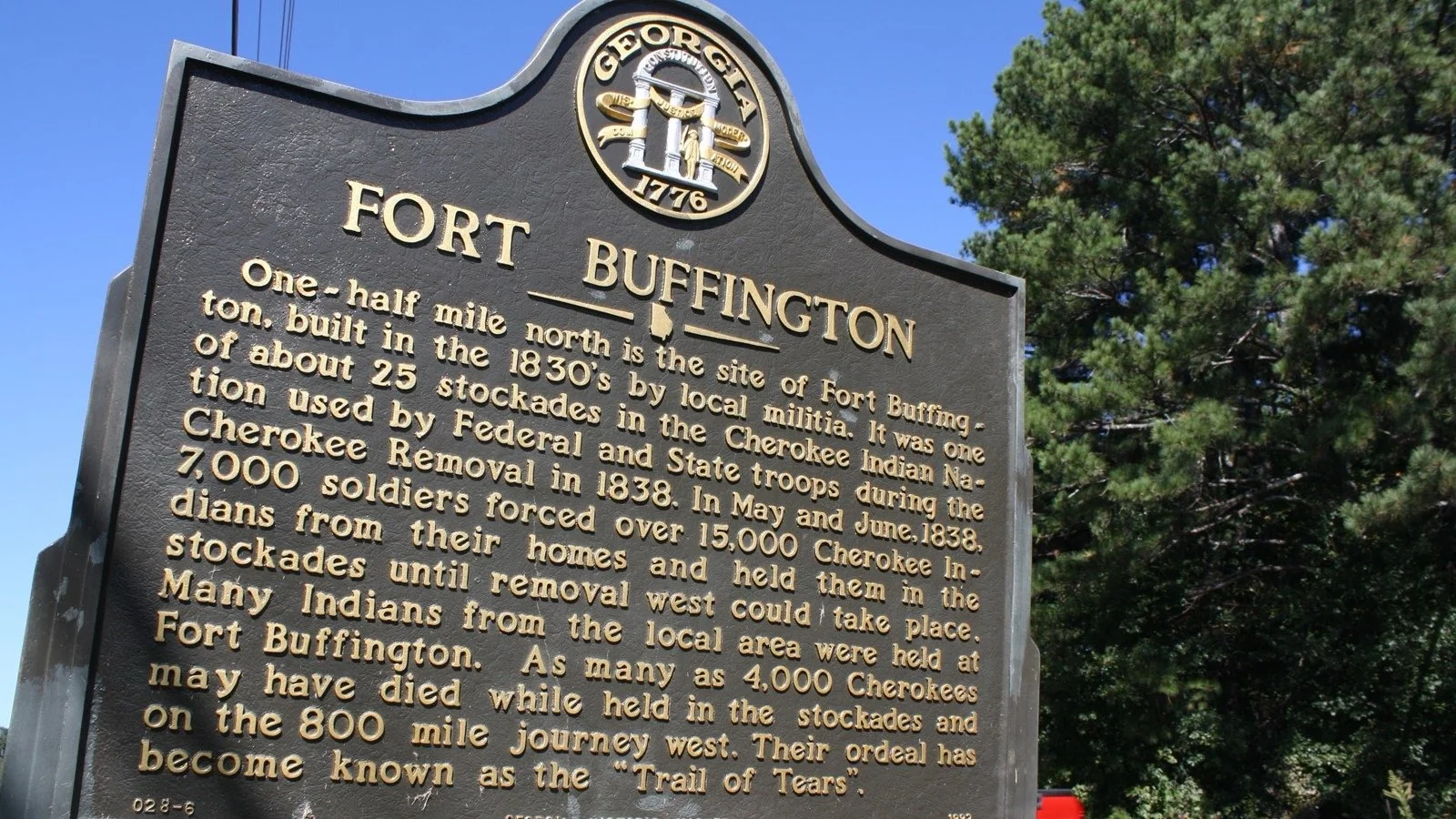
The Lost Fort
What does it mean when the very location of a horror is lost? What does it mean when we accept that quietly? The writer in me will always try to figure this out.
Celebrating the 2026 Chapbook Contest Winner!
The Headlight Review is thrilled to announce the winner of our 2026 Chapbook Prize: Exit Interview by Jacqueline Rosado.
2027 Best of the Net Nominations
The Headlight Review is proud to nominate twelve outstanding pieces across the categories of Poetry, Fiction, Creative Non-Fiction, and Art.
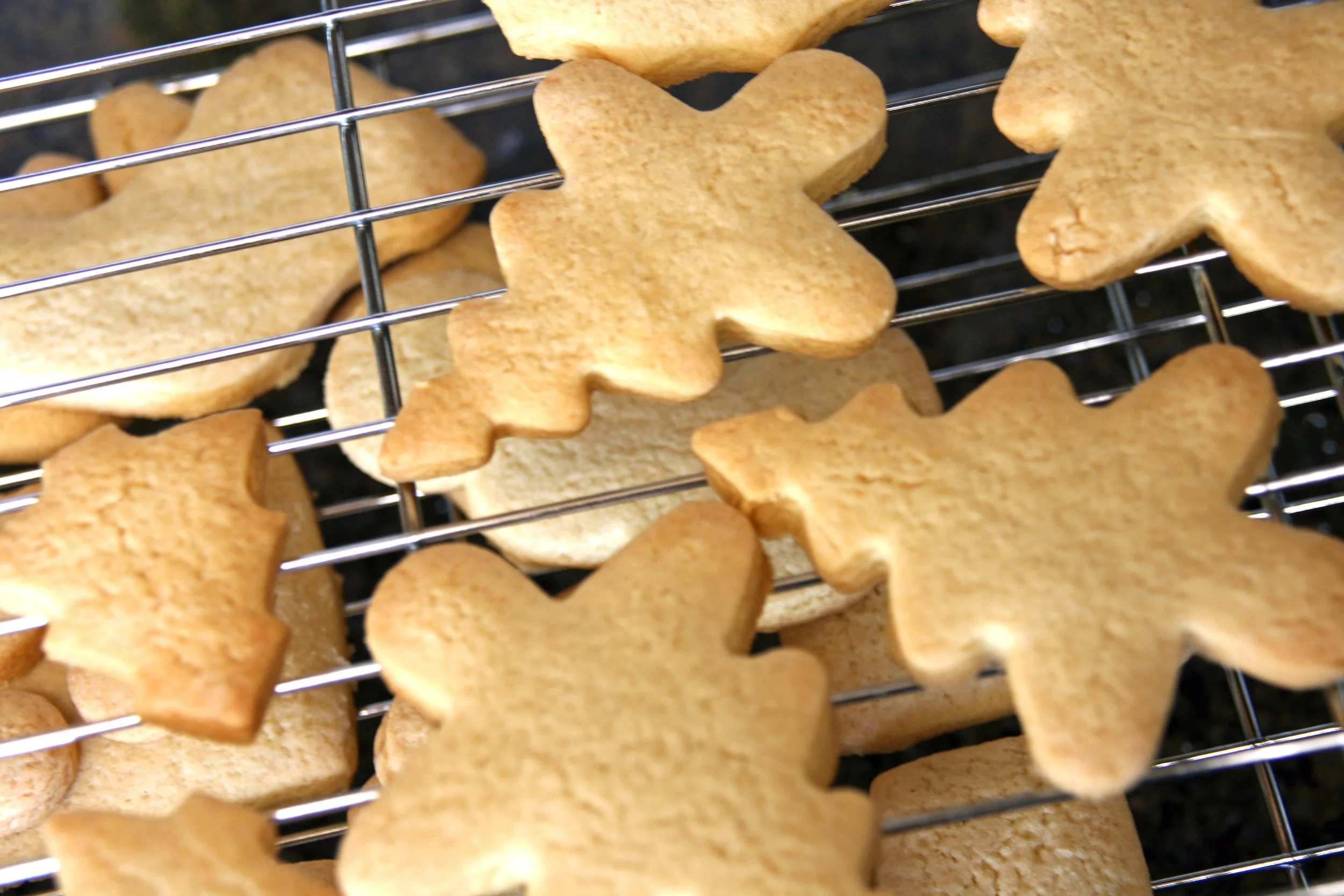
Gifts of a Southern Recipe: How My Family’s Teacakes Brought Sweetness to Life and Changed My Writing Forever
“Got something for you!” Grandpa Frey announced, enthusiastically waving a scrap of paper. I was on holiday break from college, visiting my grandparents in rural Arkansas.
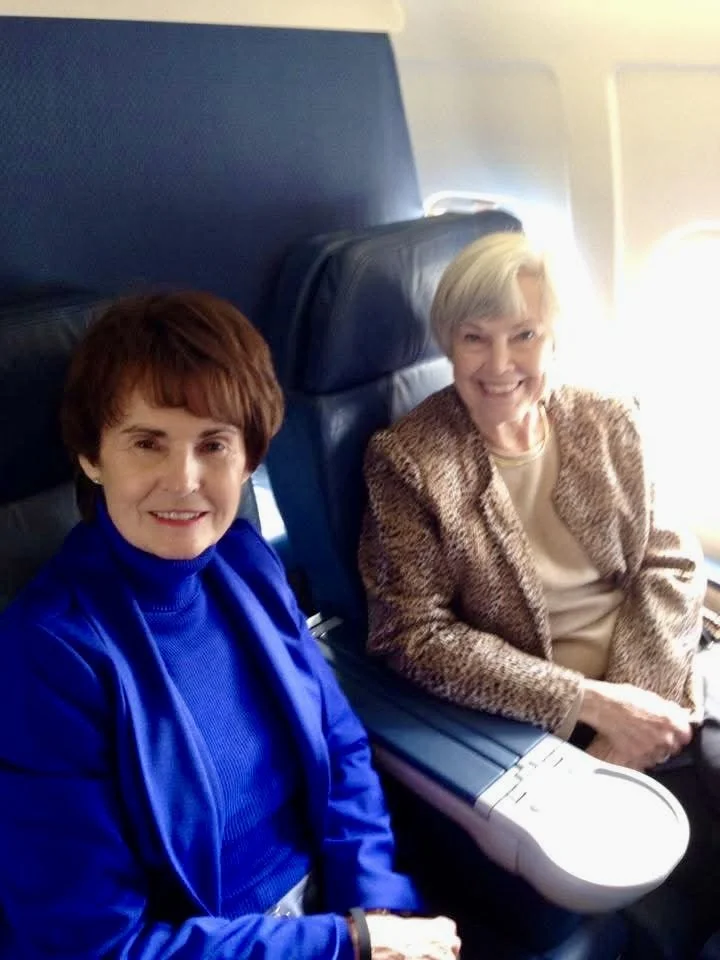
Portrait of My Southern Grandmothers: How Matriarchs Shape a Character Arc
I come from a very long line of Southerners. My family can trace its roots back as early as 1710 in South Carolina, with ancestors fighting in both the Revolutionary War and the War Between the States. We then put aside our gray uniforms and in the 1960s my great-grandfather led the charge to integrate Tuscaloosa County schools.
Submissions Open for Southern Scrapbook
The Headlight Review is calling for a series of short meditations on specific southern experiences and how they inform your craft as a southern writer.
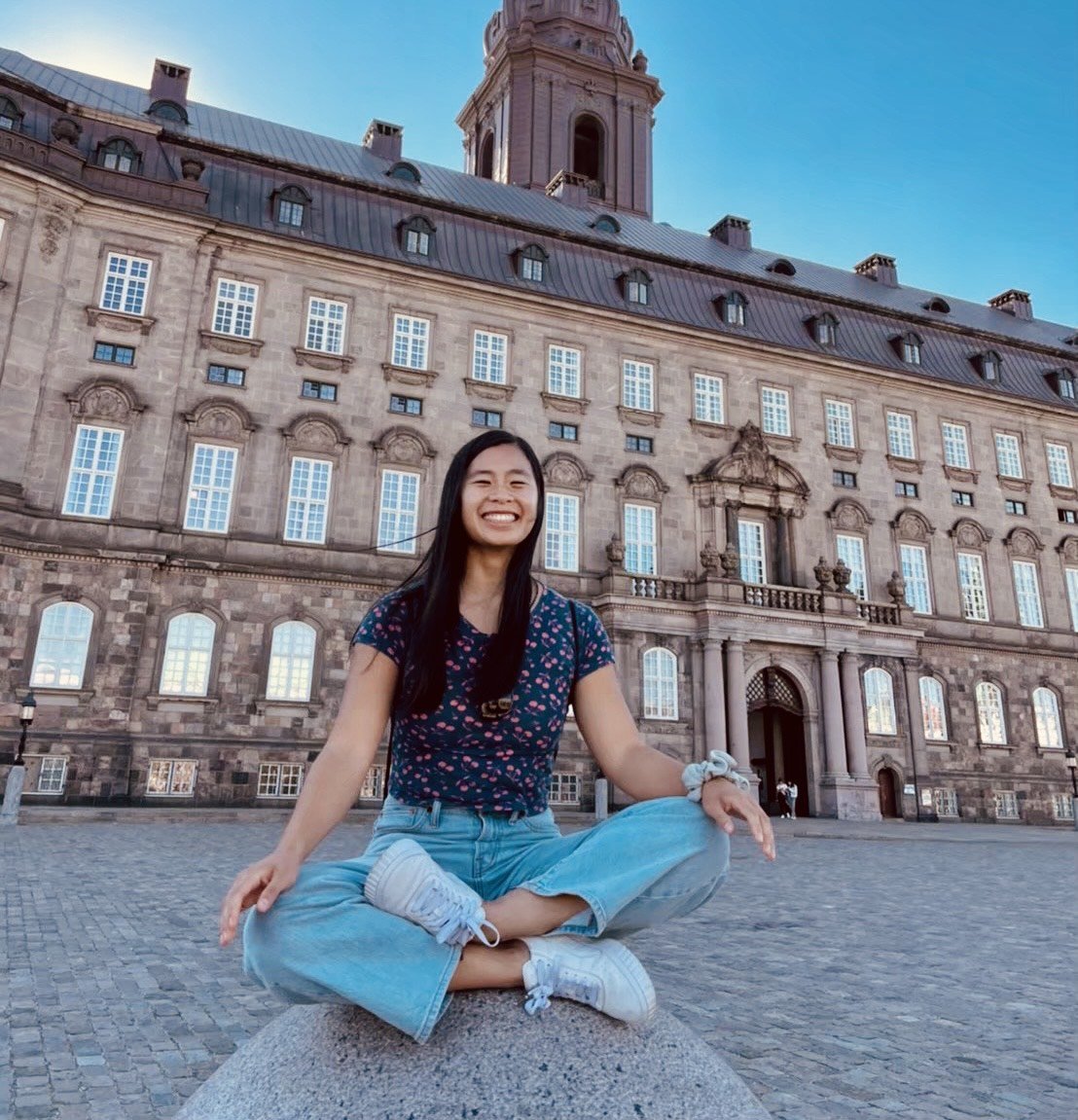
Catching Up with 2023 Grooms Prize Winner Anita Lo
A catch up with Grooms Prize winner Anita Lo, curated by graduate students Adeola Awe, Jessica Reyes-Barahona, and Jordyn Hatten.
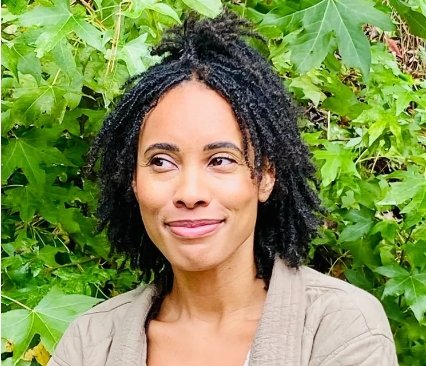
A Conversation with Alafia Nicole Sessions
A discussion between editor Sydnee Newsom and Alafia Sessions about poetry, inspiration, and what a chapbook judge looks for.
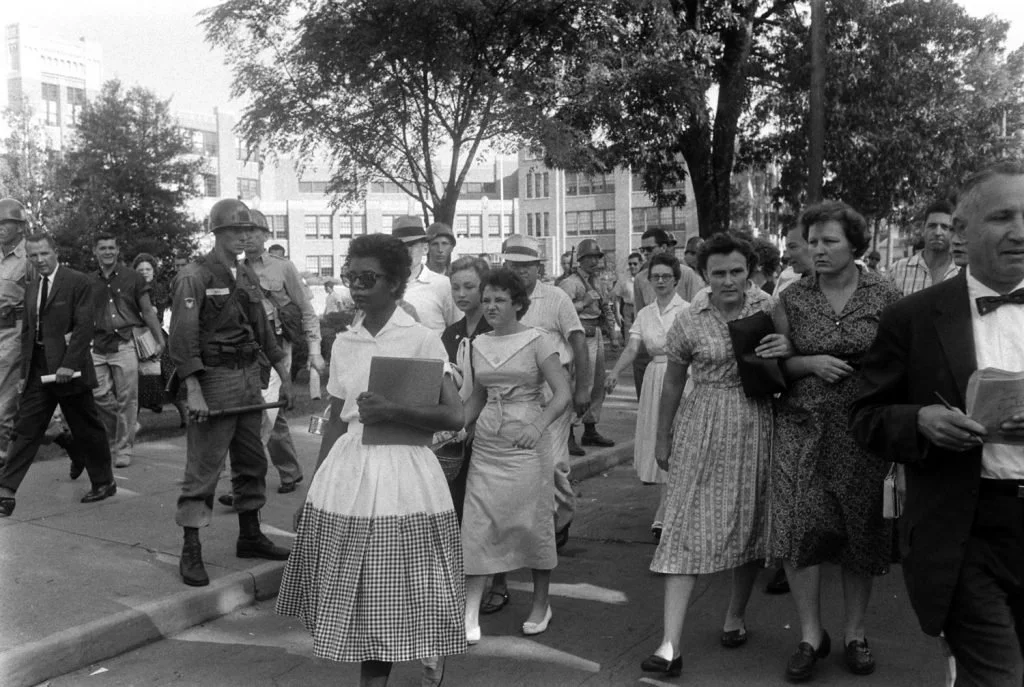
How Long Ago Was This?
A poem by Gwendolyn Brooks came to me. “The Chicago Defender Sends a Man to Little Rock.” I jolted in my seat at a possible connection. Brooks’s poem was written in response to the integration of Central High School in Little Rock, Arkansas, in 1957. In the poem, the Defender sends a reporter to Little Rock to find out what on earth was wrong with the folks of Little Rock and how they could be so abusive and terrible to young students because of their skin color.
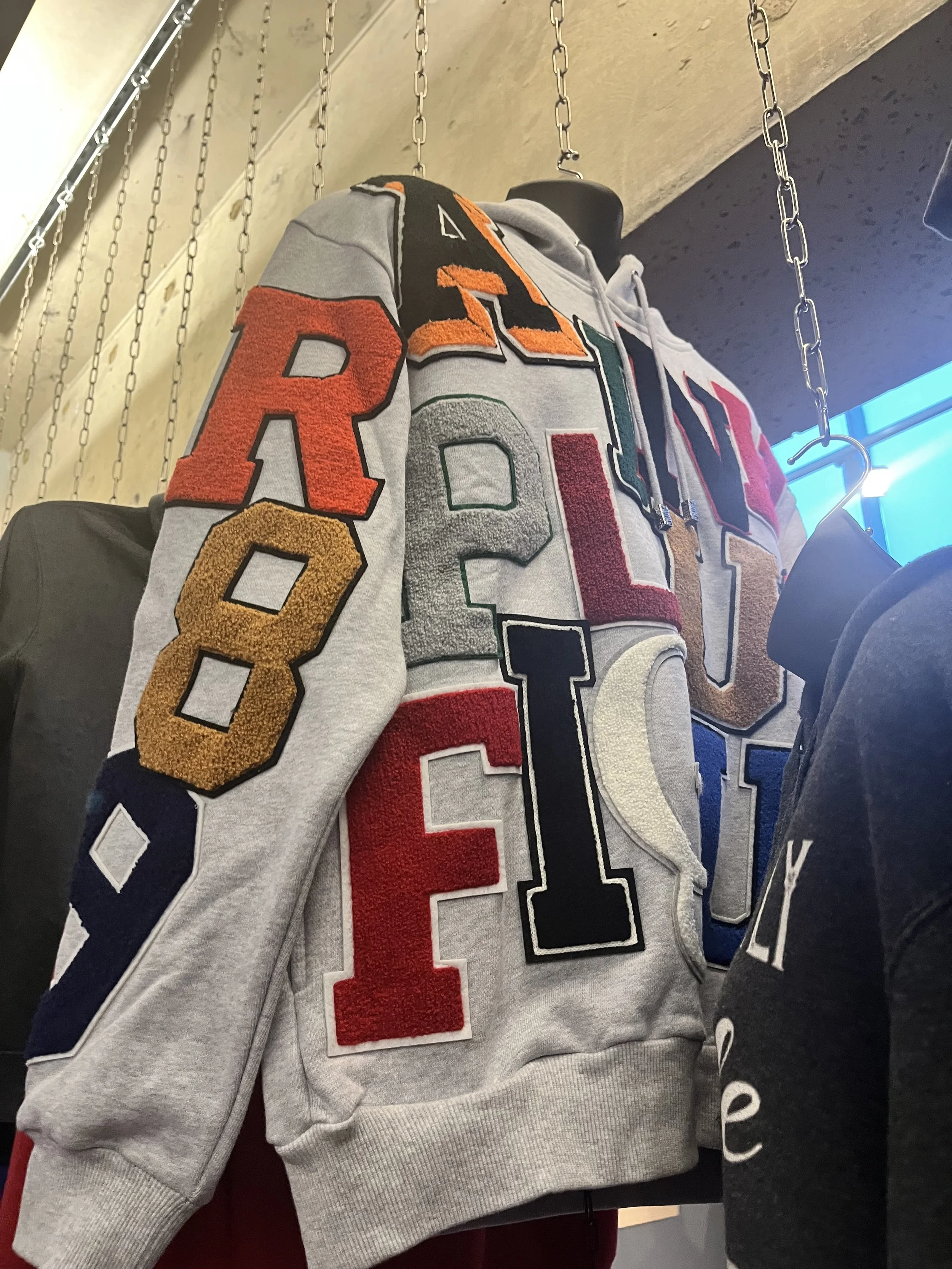
Inside MODA’s New Exhibit THE HOODIE: Identity, Power, Protest with Dr. Regina Bradley
Few garments carry as much cultural weight as the hoodie. First created in the 1930s by the brand Champion to meet athletes' needs for warmth and durability, the hoodie slowly became a marker of style, anonymity, suspicion, and resistance—often all at the same time. In The Hoodie: Identity, Power, Protest, a new exhibition at the Museum of Design Atlanta (MODA), co-curators Dr. Regina N. Bradley and Dr. Laura Flusche examine the hoodie not just as a piece of clothing, but as a deeply political symbol shaped by race, class, geography, and history within the American South.
Celebrating the 2025 Anthony Grooms Short Fiction Prize Winner!
The Headlight Review is thrilled to announce the winner of our 2025 Anthony Grooms Short Fiction Prize: Waterfalls by Lois Wolfe.

Singing in the Ruins: A Review of The Natural Order of Things by Donika Kelly
A review of The Natural Order of Things (Graywolf 2025) by Donika Kelly.

Feminine Morbidity: Cover Reveal & Release Date
The Headlight Review is thrilled to announce that the winner for the 2025 Poetry Chapbook Prize is: Feminine Morbidity by Maya Williams.

Faith, Fiction, and Space for BIPOC Women: An Interview with Jenny Erlingsson
There’s so much about Jenny Erlingsson you don’t know. That’s probably because she’s a freshly minted novelist, author of the 2024 contemporary fiction title Her Part to Play. Before the book’s summer 2024 release, you would have needed to travel to Iceland to bump into Erlingsson in person, or you would have needed to be a part of her Milk and Honey collective of women writers.

2025 Anthony Grooms Short Fiction Prize Finalists Announcement
The Headlight Review is thrilled to announce the finalists for our 2025 Anthony Grooms Short Fiction Prize.

An Interview with Jennifer Givhan on Salt Bones
A discussion between guest fiction editor Mary McMyne and Jennifer Givhan about her new book Salt Bones.

2025 Poetry Chapbook Prize Winner
The Headlight Review is thrilled to announce that the winner for the 2025 Poetry Chapbook Prize is: Feminine Morbidity by Maya Williams.