
This essay is part of The Headlight Review’s series, “Southern Scrapbook,” edited by Sarah Shamaya. This series features authors who articulate how their Southern experiences influence their writing. It is our love for the South and the authors who give the South a voice that drives this endeavor.
We hope to continue publishing pieces in “The Southern Scrapbook.” Any writer interested in participating may contact THR with a pitch, or we’ll be glad to look over a submission in its entirety.
Word count: 1500 or thereabouts. Multi-media essays are encouraged.
There is sand inside my camera bag that no brush, cloth, or burst of compressed air has managed to remove. It has settled into the seams and gathered beneath the padded dividers. I cannot tell which South Carolina beach it came from. It could have followed me home after photographing a family beneath the Myrtle Beach pier, a proposal at sunset, or children running toward an ocean they were seeing for the first time.
I used to think the sand meant I was careless with my equipment. Now I think of it as evidence. My camera has been here. So have I.
I have stood perfectly still at the edge of a marsh waiting for an egret to turn its head.
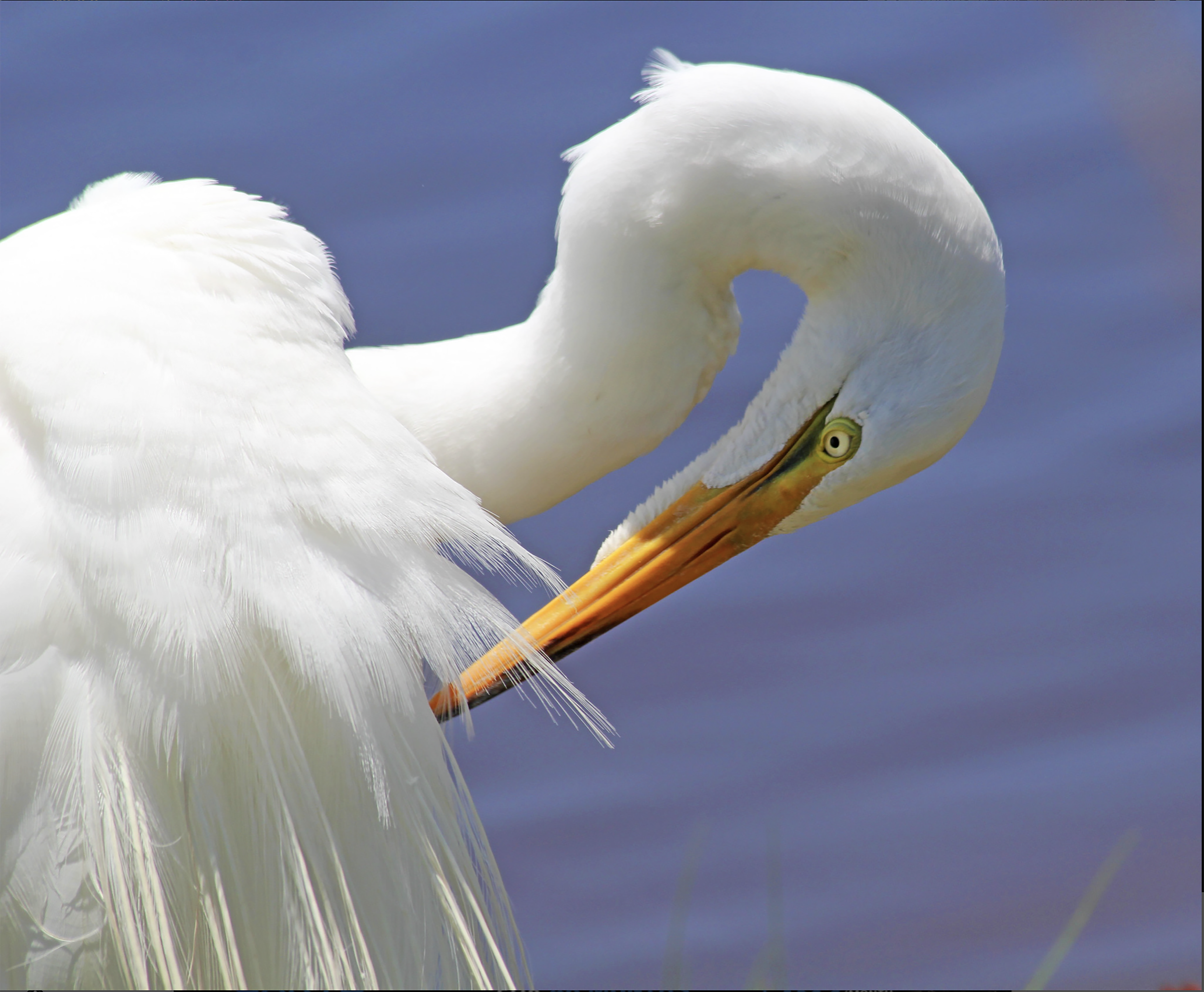
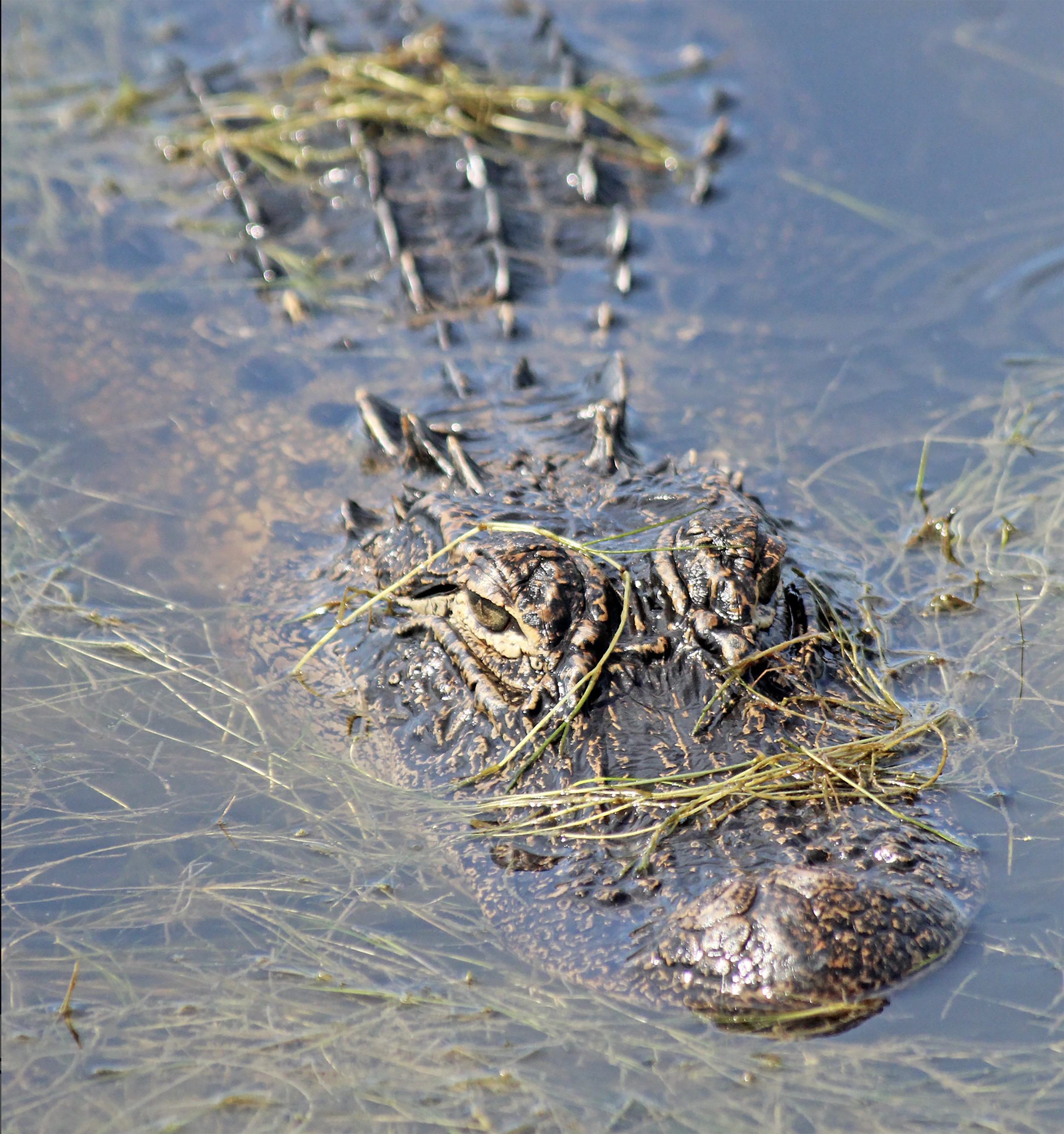
The bird does not care that I have a camera. The marsh does not perform on command. An alligator may remain motionless until the person beside me grows bored and walks away. Photographing the coastal South requires attention to small changes: the ripple that reveals where the alligator has submerged, the tightening of a heron's neck before it strikes, the flash of white wings against pluff mud. I cannot arrange these moments. I can only remain long enough to recognize them.
When I look across the wildlife photographs I have made over the years, I see how often I have searched for personality in creatures that cannot explain themselves. I have watched a turtle pose, an egret swallow its lunch, a butterfly land, and an alligator disappear beneath the moss on top of a pluff mudded marsh. Long before I understood that I was practicing the skills of a creative nonfiction writer, I was looking for gesture, tension, character, and story. Photographing the wildlife of the marsh trained me to recognize that a slight turn of the head can change the meaning of a scene; it taught the writer in me to wait without looking away.
That lesson followed me into “Living in the Loop,” an essay about caring for my father after a traumatic brain injury altered his memory. The essay begins with him restarting an episode of NCIS and asking, “Who’s that guy again?” I answer him. Then I answer him again. From the outside, those moments might appear identical, but living inside the repetition taught me to notice their differences: the timing of the question, the expression on his face, my own changing reserves of patience, and the choice to answer without reminding him that he had already asked. As in the marsh, the meaning did not announce itself. I had to remain with a scene that appeared still until I could recognize what was changing inside it.
Wildlife photography also taught me that attention is a form of affection. My photographs return to magnolias, hibiscus, marsh grass, ocean waves, sunsets, barrier islands, and birds lifting from shallow water. They return to Huntington Beach State Park and the Myrtle Beach shoreline in different seasons and different light. Repetition has not made these subjects ordinary. Each return asks me to look more closely.
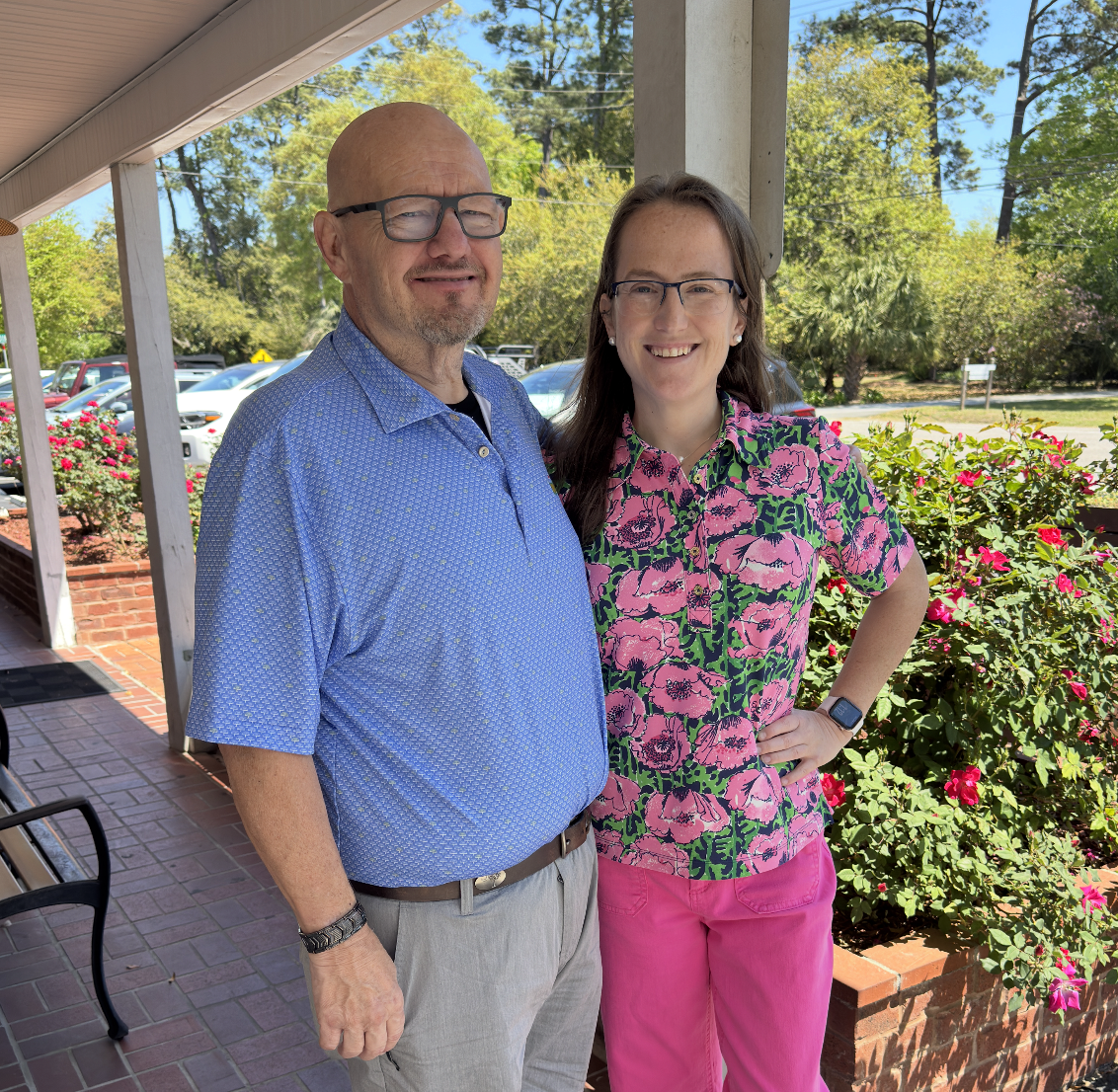
Attention became affection in the way I wrote my father. I did not want his repeated questions to reduce him to his injury or turn him into evidence of everything our family had lost. I returned to the same gestures because each repetition revealed something more specific about caregiving, grief, and love. The loop was not merely a structural device for the essay. It was the shape of our days. Writing it required the same discipline wildlife photography had taught me: do not look away simply because the scene is quiet, familiar, or slow to yield its meaning.
Myrtle Beach is one of the most photographed places in the South, but it is also one of the most carefully framed. Visitors point their cameras toward the sunrise, the pier, and the clean stretch of ocean beyond their balconies. They carry those images home as proof of the place they experienced.
The photographs are true. They are simply not the whole truth.
Outside the vacation frame, marshes breathe beyond the highways. Egrets stand beside retention ponds while traffic rushes past. Alligators move through water bordered by subdivisions, golf courses, and resorts. Wildlife survives beside a landscape reshaped for human pleasure, often close enough to see but easy to overlook. Beauty is not false because it is incomplete. But incompleteness becomes dangerous when we mistake it for the entire story.
A camera creates a border around whatever the photographer chooses to preserve. Writing does the same thing. Every essay has an edge. Every scene leaves something outside it. Every description asks the writer to decide where the reader should look.
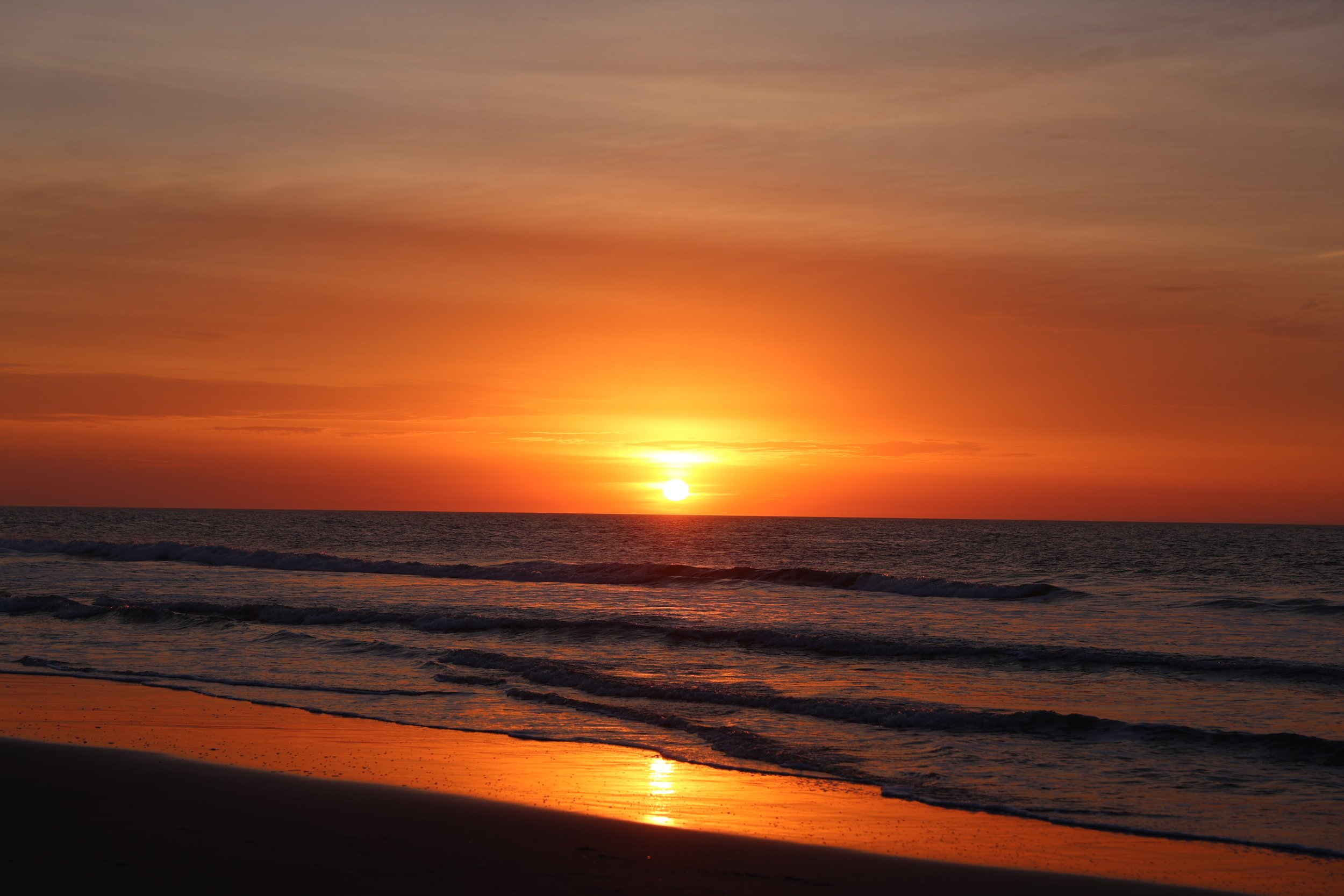
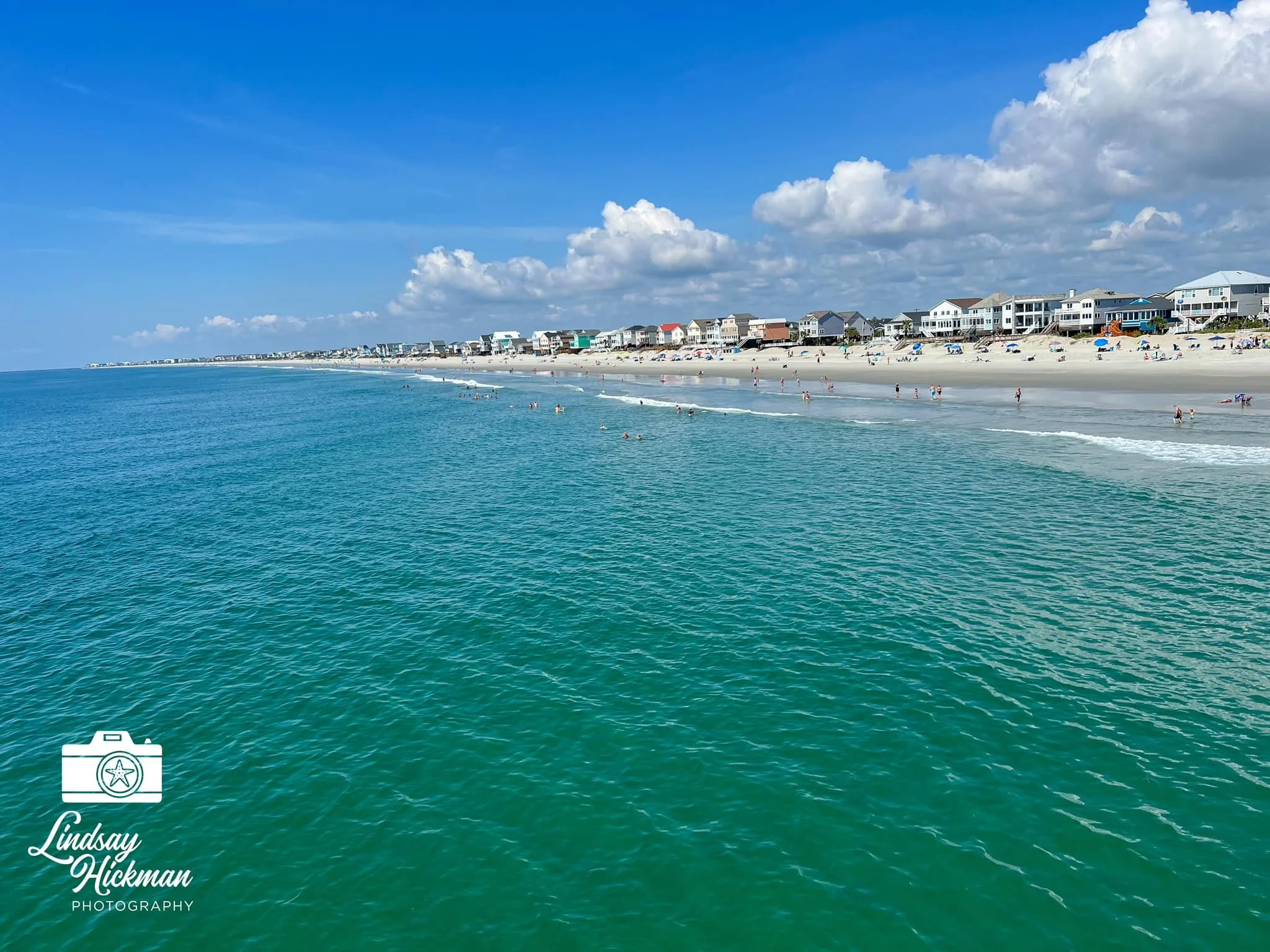
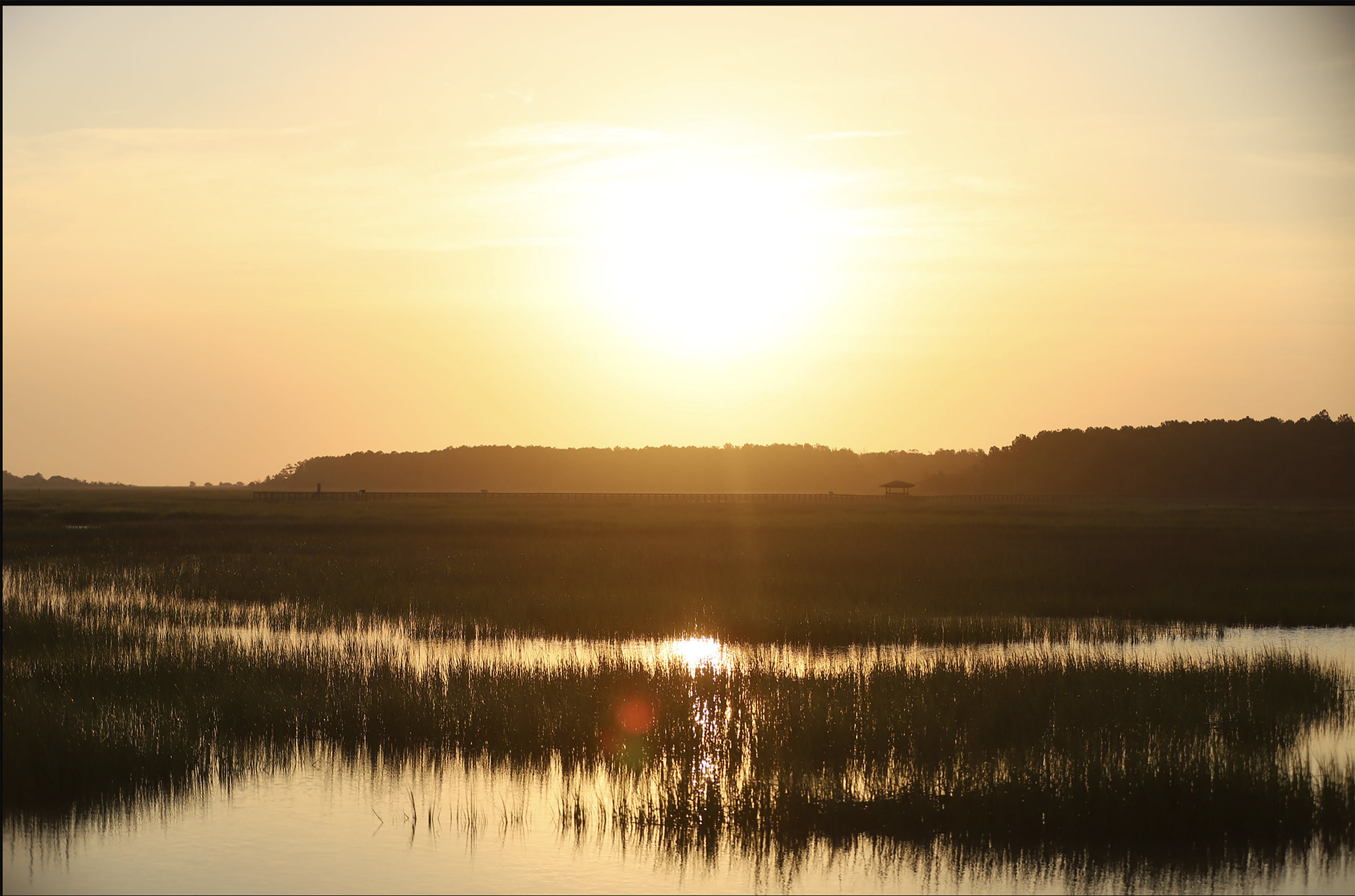
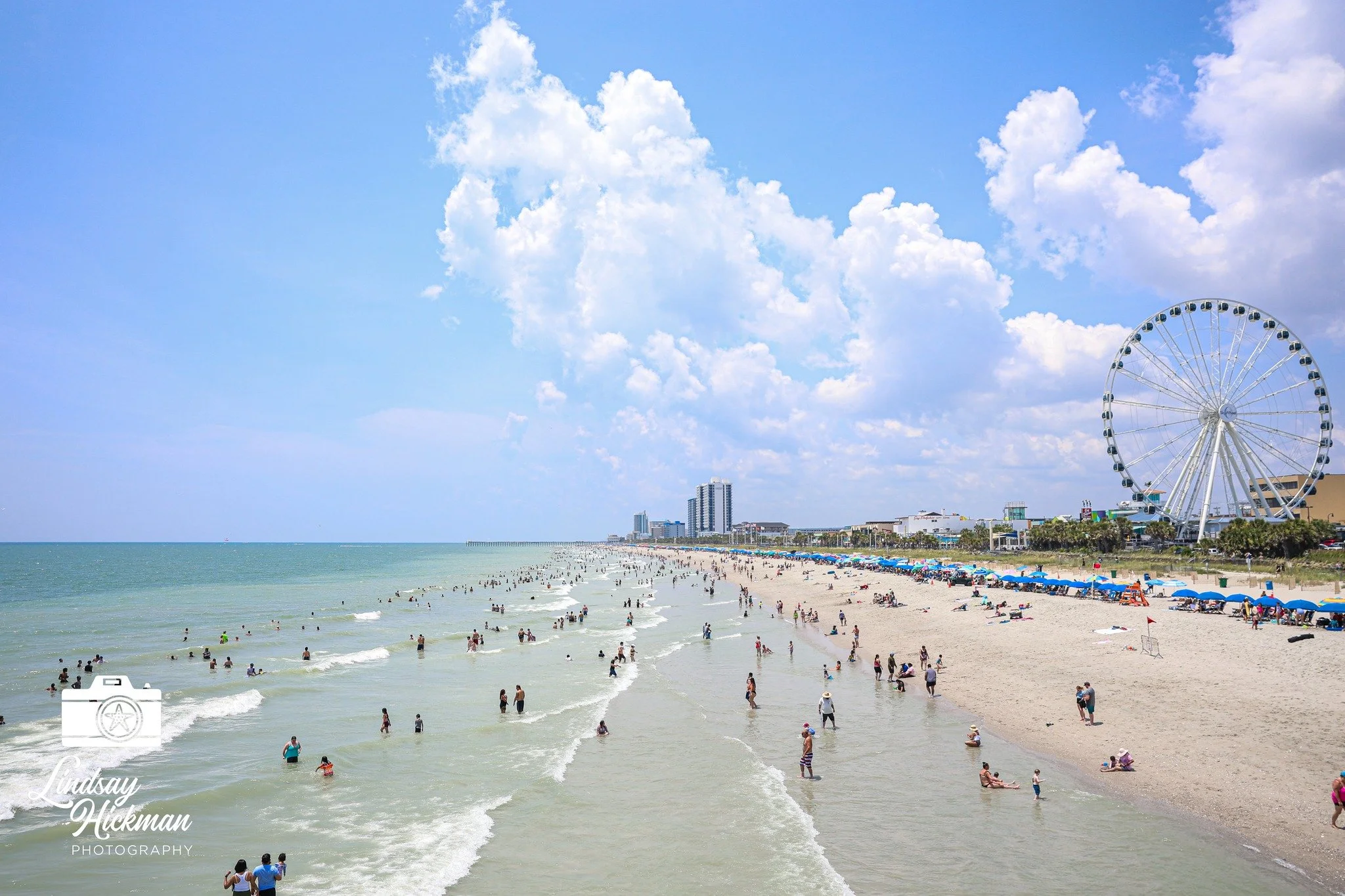
Photographing the marsh made me suspicious of the first frame. I move closer, step back, change my angle, and ask what has disappeared beyond the border. When I write, I make those same adjustments. I wait for the detail that unsettles the easier version of the story. In “Living in the Loop,” I could have framed myself as the daughter who patiently answers the same questions and absorbs my father’s anger after his brain injury. But I included the moment I called him “Walter,” the name of the grandfather he watched disappear to Alzheimer’s. I knew why that name would hurt him, and I said it anyway. His face changed; later, he could accept my apology without remembering why I owed him one. That detail made the story less comfortable to tell, but it let the reader see the full cost of the loop, including what it was doing to me and what I was capable of doing to him. Yet, without it the story felt dishonest and incomplete. The most honest frame may be the one made after the tourists leave, when the footprints soften, the shorebirds return, and the beach continues without an audience.
There usually is more to see.
The sand in my camera bag is abrasive. Given enough time, it can scratch a lens or work its way into the camera body. I should probably be more determined to remove it. Instead, I have become attached to those stubborn grains. They remind me that neither my camera nor my writing has remained safely outside the places I document.
The coastal South has entered the machinery. It has changed how I focus, what I preserve, and where I look for the story. Most importantly, it has taught me that the writer's responsibility is not merely to capture what is beautiful inside the frame. It is to keep asking what the frame has left out.