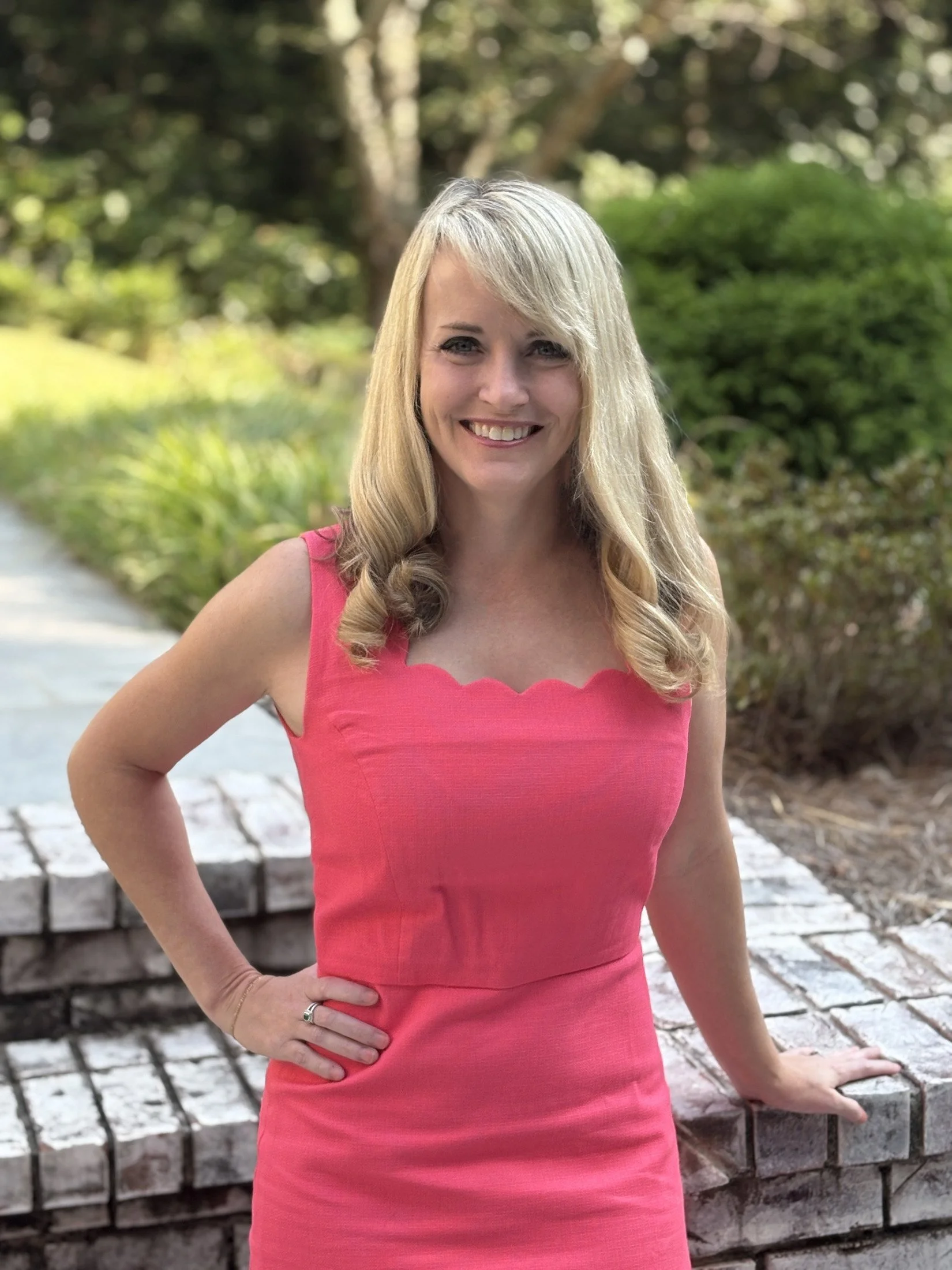
Portrait of My Southern Grandmothers: How Matriarchs Shape a Character Arc

This essay is part of The Headlight Review’s series, “Southern Scrapbook,” edited by Sarah Shamaya. This series features authors who articulate how their Southern experiences influeced their writing. It is our love for the South and the authors who give the South a voice that drives this endeavor.
We hope to continue publishing pieces in “The Southern Scrapbook.” Any writer interested in participating may contact THR with a pitch, or we’ll be glad to look over a submission in its entirety.
Word count: 1500 or thereabouts. Multi-media essays are encouraged.
I come from a very long line of Southerners. My family can trace its roots back as early as 1710 in South Carolina, with ancestors fighting in both the Revolutionary War and the War Between the States. We then put aside our gray uniforms and in the 1960s my great-grandfather led the charge to integrate Tuscaloosa County schools. Having married another Southerner—my husband’s family calls Selma, Alabama home—my two young children now continue a proud legacy of Deep South people.
But while the men often get the glory, it is the women in my Southern family who have inspired me the most. The strength, courage, faith, and grit it takes to survive in an often-unforgiving landscape. The poise and grace to raise generations of children in a beautiful but misunderstood place. The backbone to stand tall against injustice, and the magic of being able to smile and serve supper while sweating through our petticoats.
Our kitchen is our culture, where we make cornbread and black eye peas, biscuits, gravy, and a fried chicken so good you can still taste it decades later. Lemon ice box pie, hand-churned peach ice cream, and tea so sweet it should come with a medical label. My sister and I were taught the old recipes from an early age, standing on a stool at the kitchen counter to help mix, pour, and taste test. The idea that raw cookie dough was dangerous was laughable to us—my grandmothers let us lick the spoon every time.
For me personally, the women in my life have inspired a great deal of my writing. In particular, my grandmothers were often on my mind while writing my romance novel, Every Star in the Sky. The lead character Rebecca Lewis, was born and raised in the small Georgia town of Sandersville. Her very Southern family tells her that her only mission in life is to get married and have children. But Rebecca dreams of more, and she defies her family by not only going to college up north but also continuing on to business school and a career in high finance. She breaks the glass ceiling and busts the mold of generations of Southern women before her, all the while blazing a path for her own daughter to follow. Throughout the many ups and downs of her adult life, Rebecca remains a steel magnolia: soft yet strong; principled yet flexible; confident and intrepid but full of faith and hope.
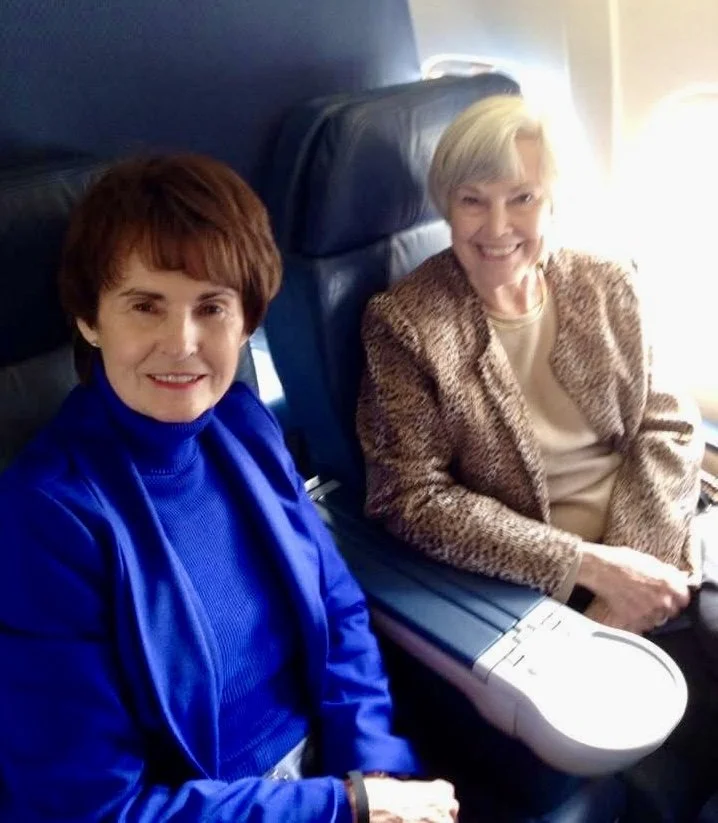
While writing Rebecca’s story, I often thought of my grandmothers. The way they loved and carried on generations of traditions. The way they always showed up for their people. The way they taught their children and grandchildren with example rather than lecture.
Gran, left and MamaLynn, right
Gran, my mom’s mom, was born and raised in the small Alabama town of Alexander City. As the oldest daughter of the town’s police chief, Gran grew up to be smart and sassy and full of opinions. To most of the world, though, she is exactly what a genteel southern lady is expected to be: quiet, demure, and focused on her family. Gran’s dichotomy of personality versus expectations heavily influenced Rebecca’s character. Refusing to accept the shackles of her culture and family, Rebecca breaks free by moving away. Gran chose to stay home. Both made choices that felt right to them, but when I was writing about Rebecca’s energy and passion I often thought of my spunky grandmother who to this day, in her mid-eighties, carries a little pink pistol in her purse.
MamaLynn, my dad’s mom, was equally smart and spunky. The daughter of a rural doctor, she grew up in the small towns of Cullman and Demopolis, Alabama. MamaLynn followed her father’s footsteps into medicine and became a nurse but quit her job when she got married to focus on being a wife and mother. I drew particularly on MamaLynn’s inner strength when creating Rebecca’s story. Whenever life threw her a curveball—an unwanted divorce, tragic family deaths, a broken hip – MamaLynn met each challenge with a laugh, a smile, and a freshly baked pie. One Thanksgiving, her dog was stolen by coyotes right before we were supposed to eat dinner. MamaLynn looked high and low with the rest of us but, when the search party was called off, she dried her tears and served the turkey and dressing because, even when painful, life must go on. She was the epitome of strength and beauty working together as one.
Every Star in the Sky also made me wonder who my grandmothers might have been if they lived in a different time or place. Both Gran and MamaLynn laid aside their own goals and ambitions in favor of family—a sacrifice that many women can relate to. Both, if asked, would likely say the sacrifice was worth it and was made willingly. But who would they have been if they stood on their own as Rebecca did? If they kept to their own identity and path instead of becoming Mrs. and Mom?
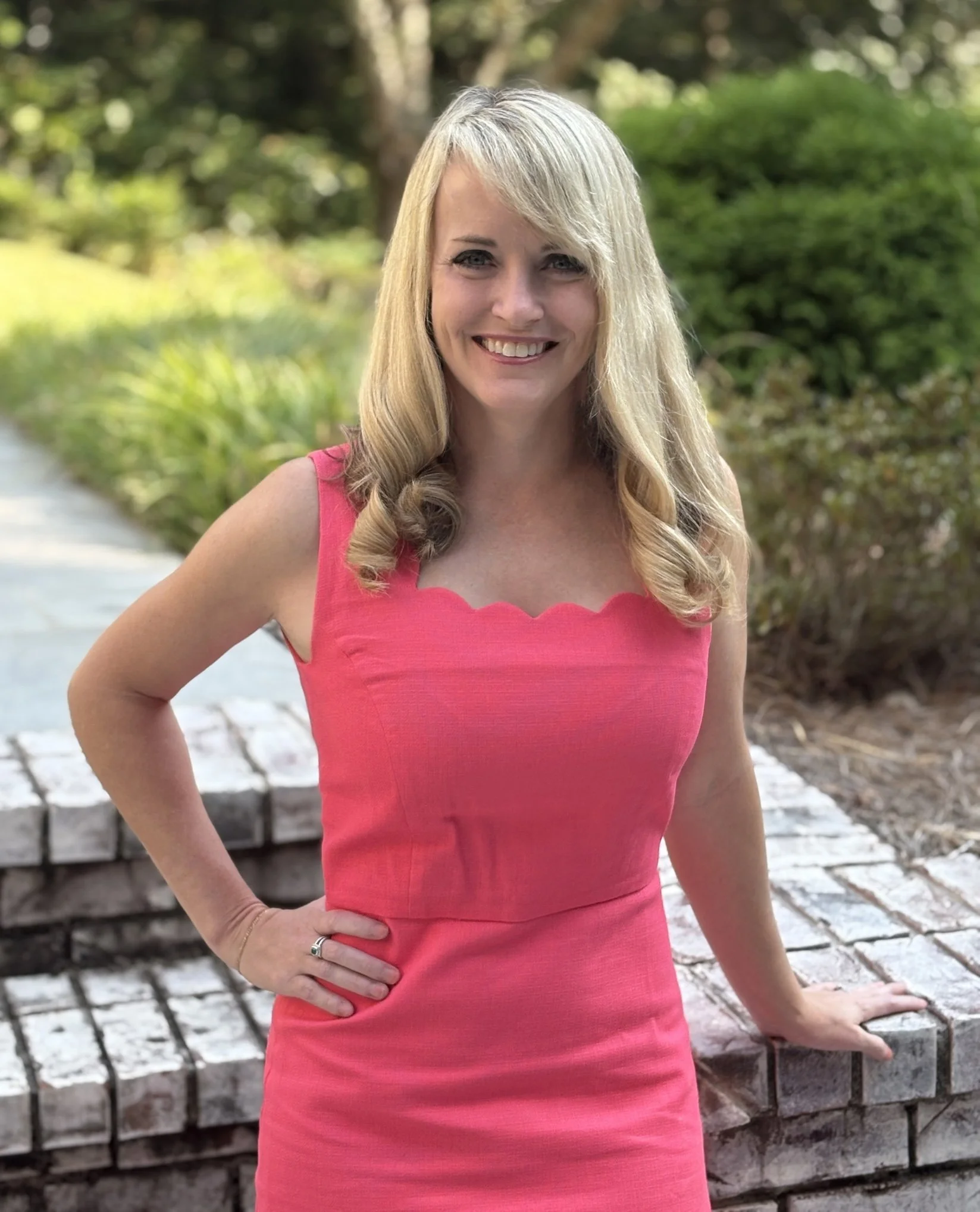
Even if I don’t know the answers to those questions, I do know that my Southern grandmothers made their Southern granddaughter feel loved and supported enough to be the first woman in our family to be anything other than a housewife, teacher, or nurse. To be the first to go to graduate school, the first to become a lawyer, and the first to publish a book. They taught me I could spread my wings and fly – much like Rebecca did.
My Southern experience is very much a lived one. Good and bad, pretty and ugly, the South runs deep in my veins. Being a Southerner influences all of my writing because it influences all of me. We are inseparable. I am one with this place—this land, these people. And my books cannot help but reflect that. I only hope that I do my people and my culture justice through my stories.
More information about Every Star in the Sky can be found here.